
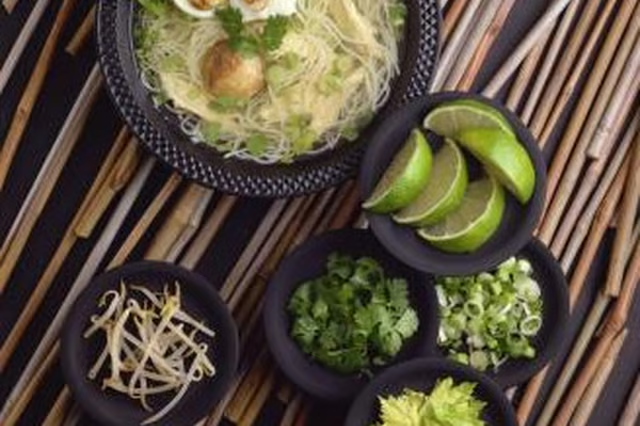

Noodles are an almost-universal way to turn a clear, delicate broth into a hearty soup. From the familiar chicken noodle soup of American childhood to the trendy pho of chic Asian restaurants, the concept is the same although the ingredients differ. For example, Vietnamese pho uses delicate rice noodles instead of the wheat pasta commonly found in Western cuisine. Usually called banh pho in Asian markets, the noodles are sold in dried or fresh form. The fresh noodles are ready to use, but dried noodles require a modest amount of preparation.
Step 1
Open the package of dried noodles and place the bundle of noodles in a large mixing bowl. Cover the noodles with cold, fresh water and let them sit for 30 minutes while you prepare the rest of your meal.
Step 2
Bring a wide pot of lightly salted water to a boil, then reduce the heat to keep it at a simmer.
Step 3
Drain the noodles in a wire-mesh strainer or heatproof colander, and shake out as much cold water as possible. Dip the strainer full of rice noodles into the pot of water, and stir the noodles with a fork or chopsticks to separate and loosen them.
Step 4
Simmer the noodles for 15 to 20 seconds until they begin to soften, then drain them thoroughly. Once cooked, the noodles should be immediately placed in your soup or stir-fry dish before they become mushy.