How to Clean Fruits & Vegetables With Lemon Juice

How to Clean Fruits & Vegetables With Lemon Juice
Published: Sep 15, 2010
Updated: Jan 10, 2019
2 minute read
...
Pamela Follett/Demand Media

Eating plenty of fruits and vegetables is a smart way to get key nutrients such as fiber, potassium, iron and vitamins A and C. Before loading your plate with these highly nutritious foods, however, you should always wash them first. Washing your produce removes germs, bacteria and parasites that could make you quite sick. While most supermarkets sell commercial produce washes, you can make your own using lemon juice and several other common ingredients. In the end, this will retain the nutritional value of your fruits and vegetables without compromising your health.
...
Pamela Follett/Demand Media

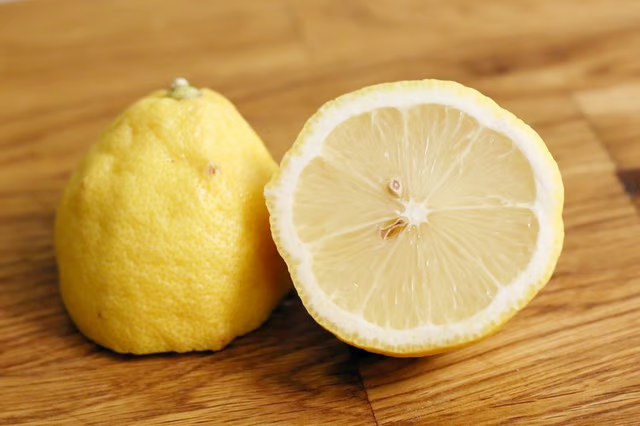
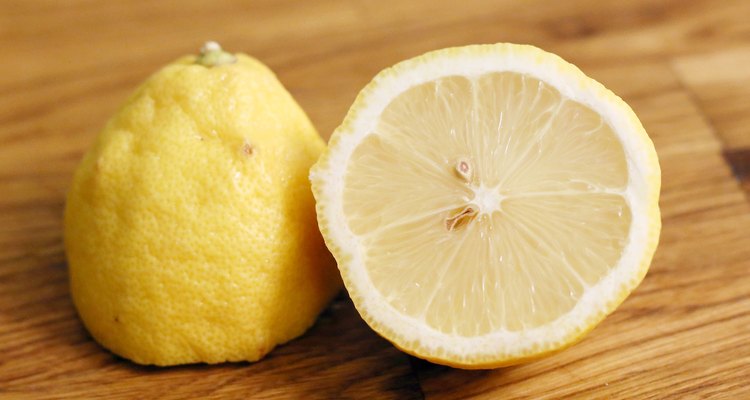
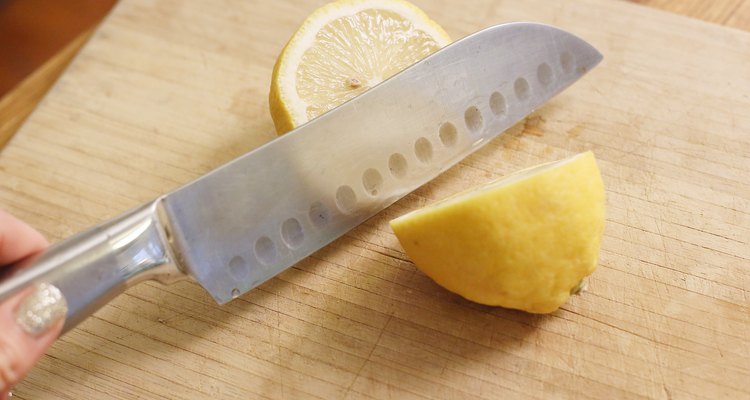
Slice a fresh lemon in half. Squeeze the lemon to release the juice. You need 1 tablespoon of fresh lemon juice. Place the tablespoon of lemon juice in a small bowl.
...
Pamela Follett/Demand Media

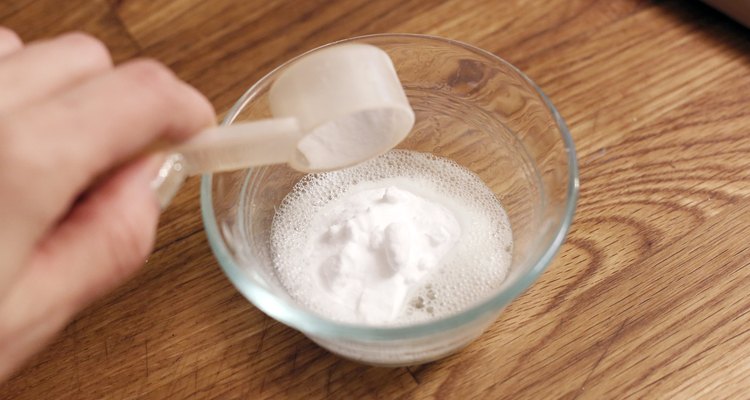
Add 2 tablespoons of baking soda to the lemon juice.
...
Pamela Follett/Demand Media

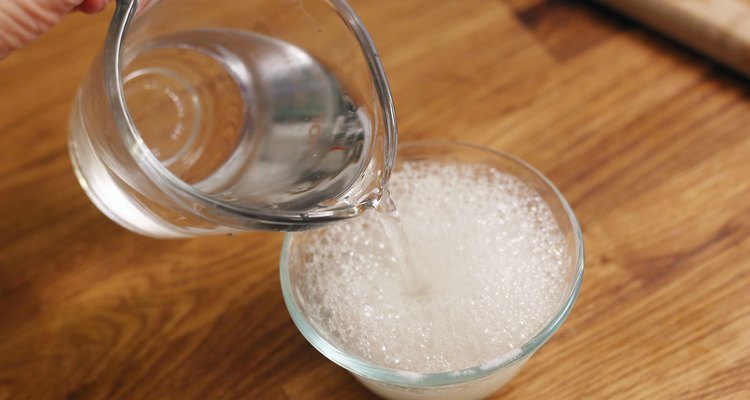
Pour 1 cup of plain water into the lemon juice and baking soda mixture.
...
Pamela Follett/Demand Media

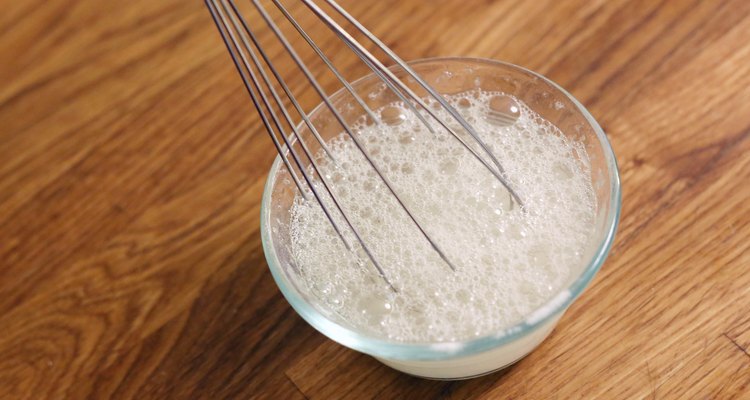
Whisk the lemon juice, baking soda and water together until the baking soda is completely incorporated and dissolved into the liquid.
...
Pamela Follett/Demand Media

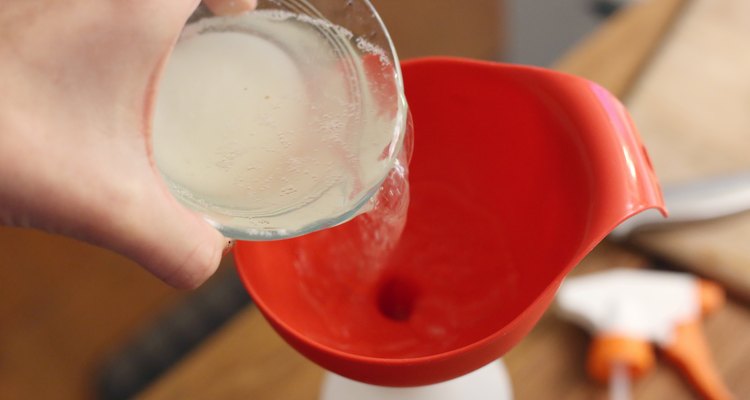
Pour the mixture into a clean spray bottle.
...
Pamela Follett/Demand Media

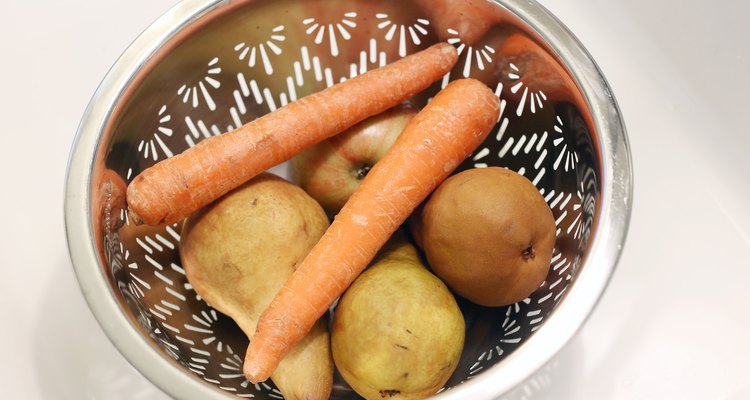
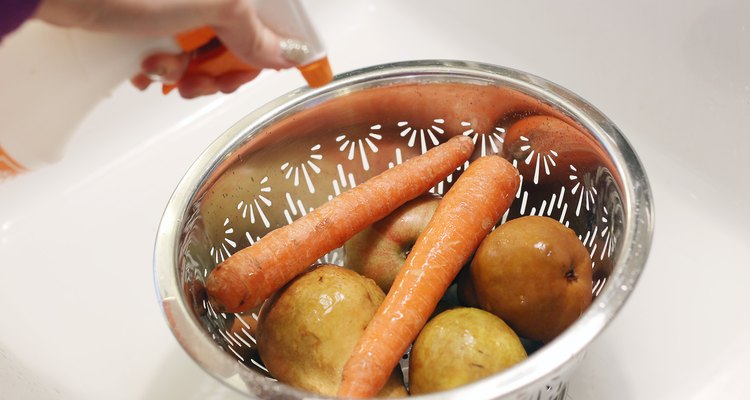
Arrange your fresh fruits and vegetables in a colander and set it in your kitchen sink.
...
Pamela Follett/Demand Media

Spray the produce with your homemade lemon juice produce wash. Use enough to completely coat the outside of each piece of produce.
...
Pamela Follett/Demand Media

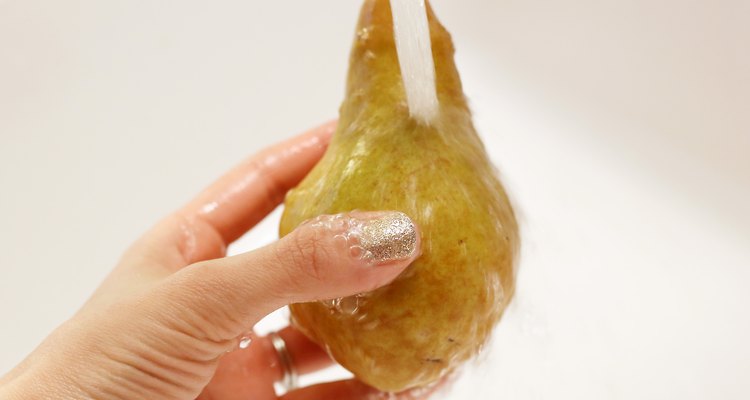
Let the fruits and vegetables sit for about five minutes and then rinse the produce well.

Tips

Lemon juice is an antimicrobial, which means that it can destroy germs and bacteria. This is why lemon juice is effective at washing fruits and vegetables.

Wash the lemon before you cut it in half to make a fruit and vegetable wash. Even though you won't eat the peel, it can be contaminated. When you cut the lemon in half, those germs and bacteria can be transferred to the fruit and juice of the lemon.

Warnings

Don't forget to wash organic produce, too. Even though organic produce isn't exposed to pesticides, it can still be contaminated with germs, bacteria and parasites that you can't see, according to the Academy of Nutrition and Dietetics. That goes for produce grown in your own backyard, too. While you know that you haven't applied pesticides, you can't know whether your produce is contaminated with potentially harmful microbes that could make you sick.

Photo Credits

Pamela Follett/Demand Media

Sponsored
Our Everyday Life Logo

Explore our everyday life, the best source for food and drink tips, health and general wellness, healthy relationships and much more.

Property of TechnologyAdvice. © 2026 TechnologyAdvice. All Rights Reserved

Advertiser Disclosure: Some of the products that appear on this site are from companies from which TechnologyAdvice receives compensation. This compensation may impact how and where products appear on this site including, for example, the order in which they appear. TechnologyAdvice does not include all companies or all types of products available in the marketplace.