How to Cook Pork Jowl Bacon in Collard Greens

How to Make Collard Greens With Smoked Ham Hock
Published: Dec 2, 2013
Updated: Feb 1, 2019
2 minute read
Brand X Pictures/Stockbyte/Getty Images

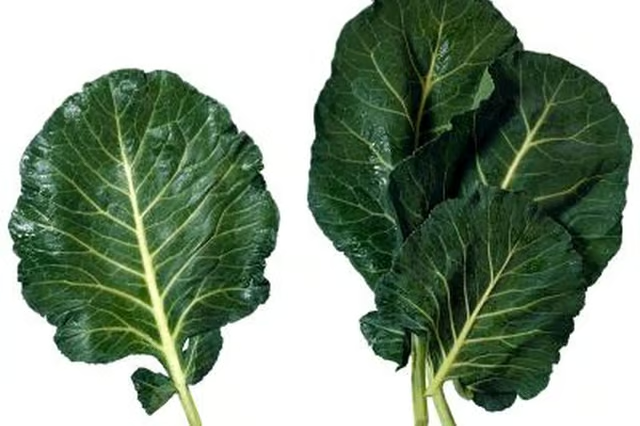
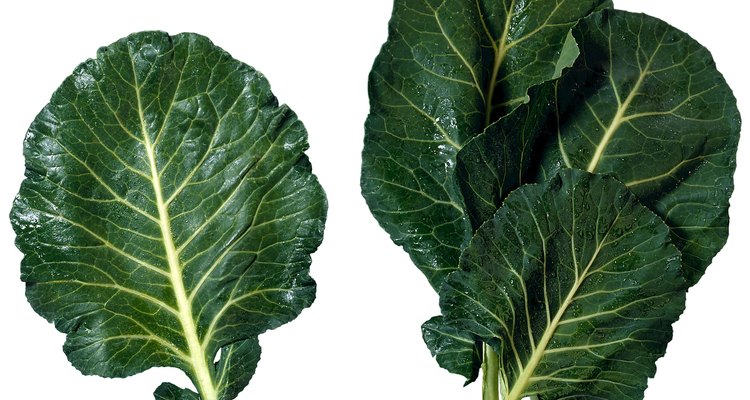
Collard greens are a staple of Southern cuisine, often prepared by simmering slowly with pork jowl bacon to achieve a rich, smoky flavor. Derived from the jowls or cheeks of a pig, pork jowl bacon is similar in flavor to streaky bacon but is extremely fatty and possesses a silky smooth texture that melts in your mouth. Serve these fantastic pork and greens with fried chicken and corn bread for a complete and comforting Southern meal.

Step 1

Heat a large pot to a medium-high heat. Chop the pork jowl bacon into small pieces and add to the pot. If desired, you can also slice up an onion and add it at the same time.

Step 2

Saute the pork jowl bacon for approximately 5 minutes, or until the edges begin to get brown and crispy. If adding onion, saute it along with the pork jowl bacon.

Step 3

Add a quart or two of water or chicken stock to the pot; the amount of liquid you will need depends on how much collard greens you intend to cook. The collard greens should be completely submerged when added.

Step 4

Add seasonings, if desired. Garlic cloves, salt and dried chili peppers are common additions. If you'd like to strengthen the pork jowl bacon flavor in the broth, simmer, covered, for an hour. Otherwise, add the collard greens at the same time as the seasonings, cover and cook for 45 minutes to 1 hour or until tender.

Step 5

Fish the collard greens out of the pot with a slotted spoon, letting the excess water drain off. Serve immediately with vinegar and hot sauce.

Tips

You can substitute chard, kale, turnip or mustard greens in lieu of collard greens; if you use a substitution, reduce the cooking time to 30 minutes as they take less time than collard greens to cook.

You can substitute ham hocks for pork jowl bacon.

You can reuse the liquid the pork jowl bacon and collard greens were cooked in to make flavorful soups or stews.

Warnings

Thoroughly wash collard greens to remove any dirt or grit before cooking.

Photo Credits

Brand X Pictures/Stockbyte/Getty Images

Christina Kalinowski

Christina Kalinowski is a writer from the Twin Cities who began her career in 2011. She contributes food and drink related articles to The Daily Meal. She holds a Master of Arts in sociology from Purdue University.

Sponsored
Our Everyday Life Logo

Explore our everyday life, the best source for food and drink tips, health and general wellness, healthy relationships and much more.

Property of TechnologyAdvice. © 2026 TechnologyAdvice. All Rights Reserved

Advertiser Disclosure: Some of the products that appear on this site are from companies from which TechnologyAdvice receives compensation. This compensation may impact how and where products appear on this site including, for example, the order in which they appear. TechnologyAdvice does not include all companies or all types of products available in the marketplace.