


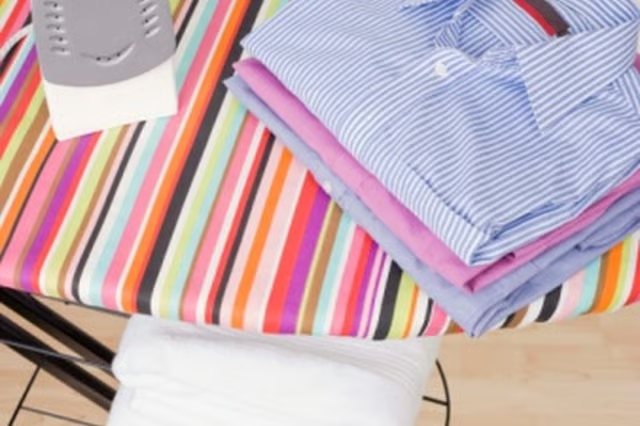

Dry cleaners offer customers crisply starched clothes, but spray starch offers the same benefits from the convenience of home. Many people fill spray bottles with their own combination of cornstarch and water, while others simply buy cans of starch at a store. Whether bought or homemade, starch helps many clothes keep their shape and works well on most fabrics.
Dress Shirts
Dress shirt collars generally lose their shape after repeated laundering. Starching prevents the collar from curling under or falling flat. Lay the back of the collar of the shirt flat on an ironing board and spray a small amount of starch. Iron over the collar back and forth, flip the shirt over and repeat the process on the front of the collar.
Spray starch also helps cuffs maintain their shape, creating a crisp look for even a well-worn shirt. Lay the cuff flat on an ironing board, spray the starch and iron each side.
Dress Pants
Dress pants often have a pleat or sharp crease down the middle of both legs. Starch helps maintain the crease over time. Lay the pant leg on an ironing board with the crease down the exact middle of the leg. Spray the starch close to the crease and let it absorb into the fabric. Iron on medium high heat to seal the starch into the material.
Be aware that starch works best with cotton and cotton blend fabrics, so don't add starch to wool trousers.
Dresses and Skirts
Form-fitting dresses and skirts also benefit from starch. You can starch pencil skirts, which are made to hold a rigid rather than free-flowing shape, as well as sheath dresses. Simply spray the fabric, let the starch absorb, and iron the dress or skirt flat. However, you should not create creases where they do not naturally belong.
Casual Clothing
While fewer people starch casual clothes such as denim or T-shirts, some use it to prevent wrinkles and stains. Do not use starch on silk or linen, however, as it can cause starch spots and make these fabrics unnaturally hard.