


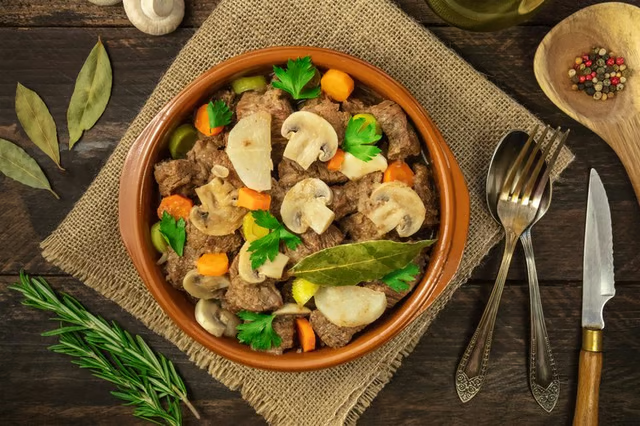
Glazed or unglazed, baking in clay pottery vessels is an ancient method of cookery that is as effective today as it was centuries ago. Modern cooks can select from a number of pottery types for various purposes, including microwave-safe earthenware that is labeled as such. While pottery may seem fragile -- and it does break on impact -- clay vessels are hardened at high temperatures in a kiln. Clay cookware isn’t damaged by indirect oven heat, but direct heat from a stove top or open flame can cause it to shatter. In general, clay cooking pots provide even, moist heat that cooks food gently. Additional fats and liquids are rarely necessary. Clay cookware retains heat and keeps food warm, and most pieces are beautifully crafted to transition easily from oven to table.
Lidded Pots
A familiar glazed pot, the pudgy, round bean pot was once a staple kitchen item. Filled with soaked, dried beans, chunks of ham or other meat, and water or seasoned broth, honest-to-goodness baked beans are the result after slow-baking in a low oven. You can also add ingredients for thick soup, chowder or stew and slow-cook the bean pot in the oven.
Covered Roasters
Decorative unglazed clay roasters develop a desirable glaze-like patina with repeated use. To prepare an unglazed clay roaster for use, soak the bottom half and the lid in water until the clay is dark. Place the food in the roaster directly on the bottom of the pot -- no meat rack is necessary. Always begin roasting with the damp clay pot in a cold oven to allow the clay and food to warm up slowly. The water in the porous clay is released as steam during cooking, making the food moist and tender.
Open Bakers
Earthenware casserole dishes and open baking and roasting pans are a festive change from glass pans. These pieces are typically glazed, and while you can treat them as you would glass baking pans, it’s best to start them in a cold oven. Earthenware open baking pans are available in a variety of sizes and shapes that you can fill with such dishes as lasagna, roast chicken and scalloped potatoes.
Care of Your Bakeware
Clean unglazed pottery cookware with a stiff brush and water only. The porous clay absorbs any liquid it contacts, so avoid soap and detergents that cannot be rinsed off. Glazed pottery can be safely washed with dishwashing liquid in the sink, but you should refrain from using scratchy scrubbers that could mar the glaze. Instead, soak baked-on food to soften it, then wipe it away. Hand wash pottery unless it is specifically labeled as dishwasher safe.