


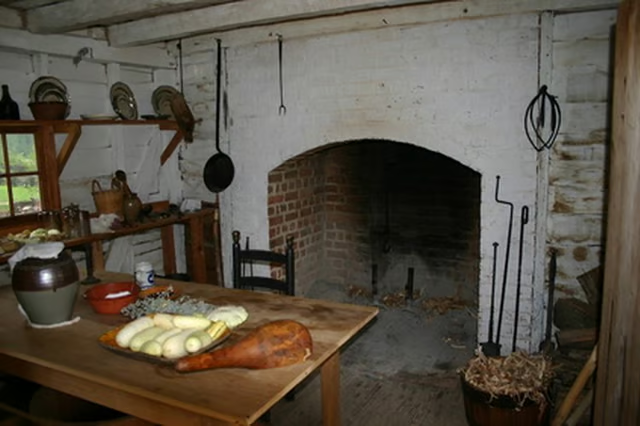
Bread-making was an all-day process in colonial times. Home cooks generally made a week's worth of bread for the entire family in one cooking. Ovens were made of brick or clay and were heated by a fire built inside the oven. Once the fire died down, the ashes were brushed out of the oven and the bread was put in it, on the floor of the oven. There was nothing to regulate the temperature in the oven except the cook's experience. This recipe is found in "A New System of Domestic Cookery," by Maria Eliza Rundell, published in 1807.
Mix the cooled rice with the yeast, salt and water. Let the mixture sit in a warm place until the yeast begins to bubble, about five minutes.
Stir in 1 lb. of flour until well-mixed. Then continue adding 1/2 cup of flour at a time, until the dough is too difficult to stir. Put the remaining flour on your counter or table and turn the dough out on the flour. Knead, gradually working in the extra flour until the dough is smooth, elastic and no longer sticky.
Wash your mixing bowl and dry it. Rub a little oil or butter into the bowl and put your dough back in the bowl. Cover with a damp tea towel and allow the dough to rise until double size, approximately one to one and a half hours.
Turn the dough out on the counter again and briefly knead to remove large air holes. Shape into four loaves. Butter the baking sheets or loaf pans thoroughly. Put two round loaves on each baking sheet or put the dough into the loaf pans. Cover with the tea towel again and allow the bread to rise until nearly double size.
About 45 minutes after shaping your dough, preheat your oven to 350 degrees Fahrenheit. When the bread is nearly double in size, put it in the oven and bake for 45 to 55 minutes, until nicely browned and the internal temperature is 190 to 200 degrees Fahrenheit. Allow the bread to cool before slicing. Wrap the loaves airtight and freeze those you won't be using in the next day or two.