How to Cook Giblets in the Microwave

How to Cook a Duck Heart, Kidneys & Liver
Published: Nov 18, 2013
Updated: Jan 10, 2019
1 minute read
Eising/Photodisc/Getty Images

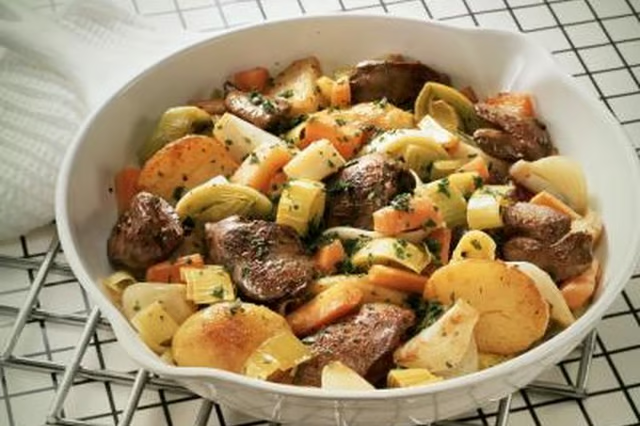
Preparing giblets -- the edible heart, gizzards and liver of poultry or game birds -- may seem daunting, but a microwave makes it easy. A few vegetables and seasonings cooked in the same container can turn giblets into a flavorful ingredient for other dishes. Next time you prepare your Thanksgiving turkey, save the giblets and cook them in a microwave for a quick addition to gravies, stuffing, soups, casseroles and stews.

Step 1

Pierce the membranes on the giblets with a knife to allow steam to escape while cooking. Place giblets in a microwave-safe casserole dish with a little water or chicken broth, along with chopped carrots, celery and onions. Add mushrooms, turnips or shallots, if you like.

Step 2

Season the giblets and vegetables with herbs and spices. Add salt and pepper, or experiment with other flavors, such as poultry seasoning, garlic powder, bay leaf, parsley, mace or curry. Include thyme and sage when cooking giblets for stuffing.

Step 3

Microwave the giblets on 50 percent power for approximately 30 to 40 minutes. When you're in a hurry, cook them on a high setting for less time, stirring halfway through the cooking cycle. Look for the giblets to be tender, with juices that run clear.

Step 4

Drain the giblets and refrigerate them until they're cool enough to handle. Set aside the vegetables and drippings from the giblets to use in other dishes. Once cooled, coarsely chop the giblets before adding them to other dishes.

Tips

The U.S. Department of Agriculture recommends that all poultry parts be cooked to at least 165 degrees Fahrenheit, which you can measure with a meat thermometer.

Because liver can give broth a bitter flavor, add liver during the last minutes of cooking time, if desired.

Store cooked giblets and their stock for as long as three days in the refrigerator.

Warnings

Do not thaw frozen giblets at room temperature, because of the risk of foodborne illnesses. Thaw them in a refrigerator that is at 40 degrees Fahrenheit or colder.

Photo Credits

Eising/Photodisc/Getty Images

Bonnie Singleton

Bonnie Singleton has been writing professionally since 1996. She has written for various newspapers and magazines including "The Washington Times" and "Woman's World." She also wrote for the BBC-TV news magazine "From Washington" and…

Sponsored
Our Everyday Life Logo

Explore our everyday life, the best source for food and drink tips, health and general wellness, healthy relationships and much more.

Property of TechnologyAdvice. © 2026 TechnologyAdvice. All Rights Reserved

Advertiser Disclosure: Some of the products that appear on this site are from companies from which TechnologyAdvice receives compensation. This compensation may impact how and where products appear on this site including, for example, the order in which they appear. TechnologyAdvice does not include all companies or all types of products available in the marketplace.