
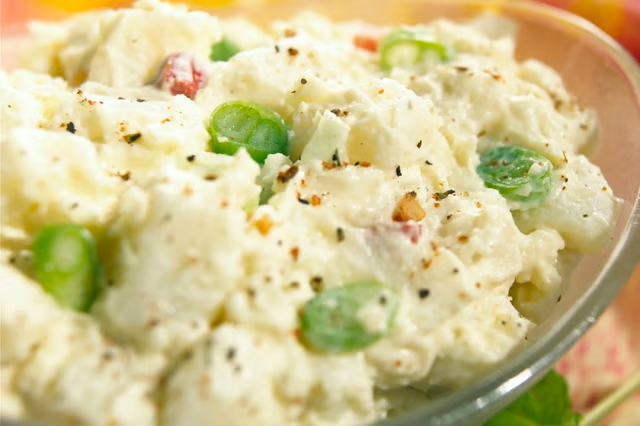
When in doubt, throw it out. Wiser words have never been spoken, especially with perishable foods like potato salad. You never want to use your nose or taste buds to figure out whether something is good or not. But proper storage can often lengthen the life of cold salads -- within reason, of course -- and take some of the guesswork out of what’s still fresh in your fridge.
Containers
Most foods tend to lose their flavor and texture the longer they’re exposed to light, air and moisture. For this reason, store potato salad -- or almost any other food, for that matter -- in a container that’s not only airtight and moisture-proof but also blocks out light. Tinted glass or plastic containers work well for this. If the container has an ill-fitting lid, consider covering it with aluminum foil or plastic wrap.
Time
No matter how good your choice of container, potato salad only keeps for three to five days. Make this type of cold salad no more than two days before serving. And mark the date somewhere on the container to eliminate any questions of how long it has been sitting in your fridge. This is a good habit to get into with all perishable foods.
Serving
When serving potato salad, refrigerate as soon as plates are filled. Refrigerated foods can go bad quickly at temperatures above 40 degrees Fahrenheit. If it has been sitting out for more than three to four hours, err on the side of caution and throw the potato salad out. As foods reach a temperature of anywhere from 60 to 120 F, bacteria can grow quite rapidly. The potato salad could cause a foodborne illness.
Foodborne Illnesses
Most foodborne illnesses share similar symptoms. Nausea is one of the most common, but you may also suffer vomiting, diarrhea, abdominal pains and fever. Any one of these symptoms can manifest within a few hours to a few days of eating the food. For most people, treatment isn’t necessary. The only thing needed is to replace fluids lost through vomiting and diarrhea. But in severe cases, you may need antibiotics. Talk to your doctor.