

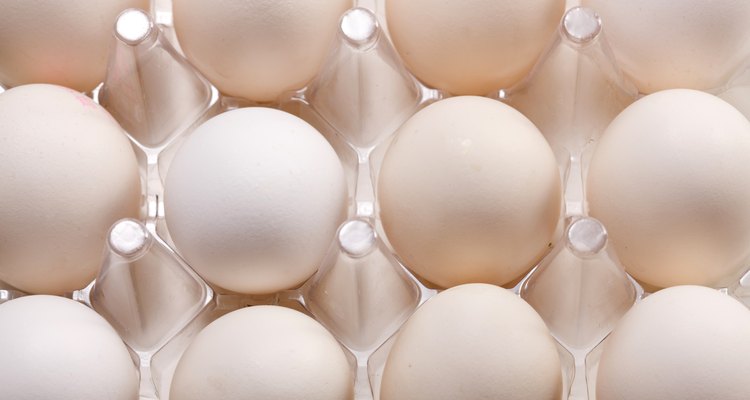
Despite their relatively high fat and cholesterol content, eggs have been getting a far worse reputation than they deserve. These nutrition-packed natural wonders contain protein, important amino acids, omega-3 fatty acids, B vitamins, iodine and much more. One more very important reason why eggs rank high on dietitians' choices is choline, a water-soluble essential nutrient with no caloric value, produced by the human body in modest quantities. Only through an adequate diet can you reach the daily recommended intake of 550 mg for men and 425 mg for women.
Eggs Pack a Choline Punch
One single medium egg of 44 grams or 1.5 ounces contains 110 mg of choline, of which about 90 percent comes from the yolk. That means a morning boiled egg gives 20 and 26 percent of the daily recommended intake for a man or a woman, respectively. In the U.S., an average diet gives you about 300 mg of choline per day. Add one more egg and you'll get pretty close to the DRI.
Mental Health
Choline is an important precursor for acetylcholine, the most common neurotransmitter, and plays an important role in nerve communications and motor control. Without an adequate intake of choline, your body can't properly synthesize acetylcholine. Little research exists on choline and mental health, but researchers have established that an adequate intake can prevent anxiety and help alleviate most neurological disorders.
Other Health Benefits
Choline is also a major component of cell membranes, helps prevent atherosclerosis, accumulation of homocysteine (high levels are linked to cardiovascular diseases) and prevents and even reverts hepatic steatosis (too much fat in the liver). Some studies mention its cholesterol-lowering ability.
Choline in Pregnancy
Choline plays an even more important role in your child's nervous system development, because it helps prevent birth defects, such as spina bifida. The DRI for pregnant women is slightly higher than for the average adult woman -- 450 mg rather than 425 mg.