
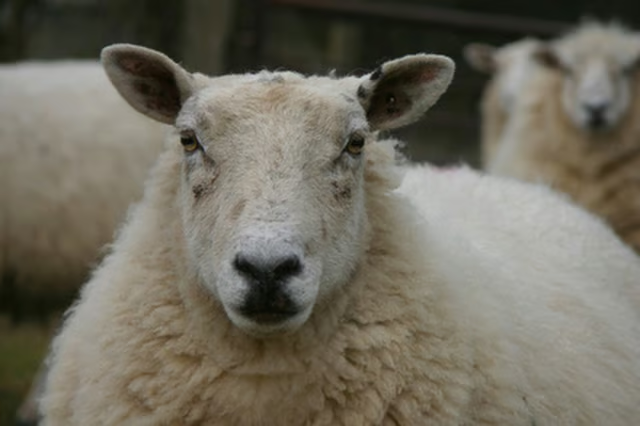
Anemia is defined as the condition of having a lower-than-normal red blood cell count. Anemic animals present with a variety of clinical symptoms, depending on the cause, duration and severity of the disease. Common symptoms in sheep include depression, paler-than-usual gums and eyelids, weakness, anorexia, diarrhea and an accumulation of fluid under the jaw called "bottle jaw."
Parasitism is the most common disease affecting domestic sheep and is a frequent underlying cause of anemia, according to Sheep101.info. Anemia, however, can be caused by various other forms of internal blood loss. It is therefore critical to obtain a diagnosis from a veterinary examination before attempting treatment. This article focuses on the treatment of anemia that results from internal parasite overload.
Administer a commercial de-wormer, such as Ivomec or Strongid. De-wormers are most commonly administered orally via syringe. The de-wormer package will include directions on dosage. Follow these directions carefully.
Place mineral and protein blocks in your sheep habitat. This is perhaps the easiest way to supplement your sheep's diet and provide more raw material for the manufacture of red blood cells.
Make sufficient grass or hay available to your sheep. If the available roughage is of poor quality, upgrade to alfalfa hay or another rich, high-protein hay. In general, you can judge the nutritional value of hay by its color. That is, green hay is nutritious while faded brown hay has lower nutritional value.
Add a supplemental grain to your sheep's diet. Corn and soybean-based commercial feeds are most common, but depending on regional availability, other grains may be available.
Rotate de-worming products to protect against resistant parasites. Look to see what active chemicals are in each brand. Design your de-worming schedule to include different chemicals. This will go a long way to protect your sheep from resistant parasites and anemia.